

Accounting for cafes and restaurants
Accounting and tax services for food service businesses in compliance with the State Tax Service of Ukraine, RRO/PRRO, VAT, primary documents, cash discipline and inventory accounting. Suitable for cafes, restaurants, bars, coffee shops, dark kitchens and businesses with delivery and takeaway. The result - transparent revenue and cost accounting, inventory and write-off control, timely reporting and accurate payroll calculations. General terms, prices and scope of work are on our accounting services in Ukraine page.

Revenue and cash - RRO/PRRO, acquiring, Z-reports, refunds, certificates/deposits, delivery and marketplaces

Get an accountant consultation for cafes and restaurants
We will help organize your revenue, inventory, write-offs, staff and tax accounting.
Accounting services for cafes and restaurants - accounting, taxes, RRO
For food service businesses, it is critically important to properly maintain RRO/PRRO accounting for cafes and restaurants. This includes cash sales, acquiring, Z-reports, refunds, certificates, guest deposits, takeaway, delivery and marketplace sales. This approach allows different revenue channels to be separated and shows the actual income for each sales format.
For cafes, bars and restaurants, it is important not only to record purchases but to build full inventory accounting. Within this block, recipe cards are maintained in restaurant accounting, write-off standards, movement of ingredients, semi-finished products and stock balances. This is how cost control of dishes and drinks is formed, without which the business cannot see real menu profitability.
In the restaurant business, errors often arise at the intersection of kitchen, inventory and actual sales. Therefore, accounting for product write-offs based on standards, stocktaking, miscounts, defects, spoilage and shortages must be combined into a single system. Well-organized restaurant inventory checks help identify deviations in time and prevent hidden losses from accumulating.
If a business operates as an LLC or reaches certain volumes, VAT in a restaurant and proper recording of bank commissions and card payments become especially important. This block controls acquiring accounting in a restaurant, tax liabilities, primary documents, refunds and correct reflection of sales in accounting. This helps avoid discrepancies between actual revenue, cash and tax data.
A modern business often operates not only through the dining hall but also through courier delivery, aggregators and takeaway. Therefore, restaurant delivery accounting requires special attention - from revenue and commission allocation to recording payments and refunds. Tip accounting in a restaurant is also organized separately to correctly separate business funds, staff payments and tax implications.
Cafes and restaurants often combine officially employed staff, Sole Proprietors, contractors, kitchen staff, bartenders, couriers and administrators. Therefore, waiter payroll, social contributions, personal income tax and military levy must be calculated accurately and based on the real business model. Within this block, regular reporting to the State Tax Service for cafes is prepared so the business operates steadily without tax risks.
Who accounting outsourcing is suitable for in cafes and restaurants
Cafes, coffee shops and small businesses with daily revenue
- accounting services for cafes help control revenue, acquiring, Z-reports, refunds and cash discipline;
- separate accounting is built for in-hall sales, takeaway and basic inventory balances;
- for coffee shops, this is especially important due to daily product and ingredient movement and constant write-offs;
- that is why an accountant for a coffee shop is needed not formally, but for stable daily operations without errors in cash and reporting.
Restaurants with kitchen, bar and full inventory accounting
- accounting services for restaurants include dish costing, accounting for ingredients, bar products, semi-finished goods and finished items;
- properly organized restaurant accounting in Ukraine prevents mixing purchases, write-offs, miscounts and actual product usage;
- as a result, the business sees not only revenue but also real margins for kitchen and bar;
- this format is especially suitable for restaurants where profitability of individual menu items is quickly lost without accurate accounting.
Bars, alcohol-focused businesses and complex inventory turnover
- in such businesses it is important to control incoming goods, write-offs, stocktaking and correct reflection of sales through the cash register;
- restaurant inventory checks help identify shortages, miscounts and discrepancies between stock and actual sales;
- product and beverage write-offs are monitored separately to prevent errors in balances;
- this is where systematic accounting of product write-offs based on standards and inventory directly affects the financial result.
Businesses with delivery, takeaway and aggregator sales
- sales through the website, marketplaces, courier services and takeaway are controlled;
- acquiring accounting in a restaurant is properly structured so that bank funds, commissions and revenue are consistent;
- certificates, deposits, refunds and bonus systems are recorded separately;
- this approach is suitable for businesses that want a full picture of each sales channel, not just total turnover.
Businesses with staff, tips and mixed employment formats
- within this block, waiter payroll, social contributions, personal income tax and military levy are controlled;
- tip accounting in a restaurant is organized separately to properly separate staff payments and business funds;
- correct HR and tax logic is built for administrators, chefs, bartenders, couriers and service staff;
- that is why for businesses with large teams, not only payroll but also full reporting to the State Tax Service for cafes without errors is important.
Sole Proprietors and LLCs in HoReCa needing structured tax accounting
- in such models, VAT in a restaurant, cash discipline, primary documents and correct revenue reflection are especially important;
- accounting is built considering the business format, sales structure and employment model;
- this allows the owner to see not only income but also costs, taxes, inventory and actual financial results;
- this approach shows who truly needs accounting services for cafes and restaurants - businesses where every stage must be controlled, not just reporting.
This approach shows that accounting services for cafes and restaurants are needed not formally, but when a business wants to control revenue, inventory, costs, staff and taxes as a single system. When one business combines RRO/PRRO accounting for cafes and restaurants, delivery, acquiring, product write-offs, tips and regular reporting to the State Tax Service for cafes, accounting can no longer remain fragmented. That is why systematic restaurant accounting in Ukraine gives the owner not just documents, but a clear model for controlling money, inventory and the financial result of the business.
What accounting services for cafes and restaurants include: cash, inventory, costing, staff
Cash, revenue and RRO/PRRO
The business sales model is analyzed - dining hall, takeaway, delivery, acquiring and cashless payments. RRO/PRRO accounting for cafes and restaurants is set up separately so that revenue, Z-reports, refunds and bank receipts match each other.
Inventory, ingredients and recipe cards
Inventory accounting is built for products, drinks and semi-finished goods. Recipe cards in restaurant accounting, usage standards, balances and accounting for product write-offs based on standards are maintained separately so the business sees the real cost.
Taxes, VAT and reporting to the State Tax Service
VAT in a restaurant, cash discipline, primary documents and acquiring accounting in a restaurant are controlled. This gives the business a system where reporting to the State Tax Service for cafes matches actual operations.
Staff, tips and team payments
Payroll, employee registration, Sole Proprietors, contracts and related taxes are controlled. Tip accounting in a restaurant is maintained separately, as well as waiter payroll, social contributions, personal income tax and military levy for the entire team.
How to manage project-based accounting for contracts and development: advances, stages, import of components, VAT
How to manage accounting in a cafe and restaurant: revenue, inventory, costing and taxes
Revenue and cash accounting by sales channels
In a food service business, revenue often comes through the dining hall, takeaway, delivery, acquiring or aggregator platforms.
- RRO/PRRO accounting for cafes and restaurants, Z-reports, refunds and card payments are maintained;
- sales through the dining hall, delivery, takeaway and marketplaces are separated;
- the consistency of cash, bank receipts and actual revenue is controlled;
- a transparent system is formed where each sales channel is visible separately.
This approach helps the business see not only total turnover, but also the real revenue structure without cash discrepancies.
Inventory, ingredients and costing accounting
In the restaurant business, one of the main risks is the gap between sales, balances and actual product usage.
- recipe cards in restaurant accounting are maintained for dishes and drinks;
- products, semi-finished goods, bar items and related goods are controlled;
- accounting for product write-offs based on standards is set up;
- stocktaking is carried out, shortages, miscounts and defects are controlled.
This block allows the business to see the actual cost and avoid losing profit due to chaos in inventory accounting.
Taxes in cafes and restaurants
The tax model of the business depends on the format of operations, taxation system, delivery and payment methods.
- VAT in a restaurant, cash discipline and primary documents are controlled;
- acquiring accounting in a restaurant, bank commissions and payments through aggregators are maintained;
- refunds, certificates, deposits and cashless receipts are properly reflected;
- a system is formed where reporting to the State Tax Service for cafes corresponds to actual business operations.
The main goal here is not just to submit reports, but to eliminate discrepancies between cash, bank, delivery and tax accounting.
Staff, payments and tips
Food service businesses often combine official employees, Sole Proprietors, contracts and different payment formats for the team.
- waiter payroll, social contributions, personal income tax and military levy are controlled;
- tip accounting in a restaurant is organized separately;
- payments to chefs, bartenders, administrators, couriers and service staff are properly structured;
- HR and tax accounting is built to reduce risks for the business.
This approach allows control not only over cash and inventory, but over the entire payment model for the team.
Delivery, aggregator and cashless payment accounting
For a modern food service business, it is important to separately control revenue not only from the dining hall, but also from delivery, takeaway and aggregator platforms.
- restaurant delivery accounting is maintained for each sales channel;
- aggregator commissions, acquiring and cashless receipts are controlled separately;
- refunds, cancellations and payment discrepancies are properly reflected;
- a clear picture is formed where delivery is not mixed with main cash revenue.
This block complements the system well, as it covers a separate area that often causes accounting errors in cafes and restaurants.
Accounting for a cafe or restaurant set up as an LLC starts at UAH 15,000 a month, and for a FOP on the single tax at UAH 2,500. We give the exact price after the first call, and all rates are in our price list.
Benefits of working with an accountant for cafes and restaurants
Cafes, coffee shops and businesses with daily revenue
Restaurants with kitchen, costing and large menus
Businesses with delivery, takeaway and aggregators
Businesses with inventory, stocktaking and write-offs
Businesses with staff, tips and mixed employment formats
Businesses that need a stable tax model
Common accounting mistakes in cafes and restaurants
Revenue from the dining hall, delivery, takeaway and card payments is recorded together, so the business does not see the real sales structure and makes mistakes in RRO/PRRO accounting for cafes and restaurants.
Incorrect accounting of acquiring in a restaurant, refunds, bank commissions and primary documents creates distortions in revenue, taxes and reporting to the State Tax Service for cafes.
Without separating the dining hall, delivery, takeaway, certificates and aggregators, it is difficult to understand which direction actually brings profit and which only accumulates costs.
When recipe cards are not maintained in restaurant accounting, costs for dishes and drinks are mixed, and accounting for product write-offs based on standards becomes inaccurate. This distorts cost and menu margins.
If a business does not control balances, miscounts, defects and ingredient movement, errors arise in inventory, cost control is lost and shortages increase. That is why regular restaurant stocktaking is important.
Without a clear employee setup model, errors arise in accruals, payments and taxes. As a result, waiter payroll, social contributions, personal income tax and tip accounting in a restaurant are handled incorrectly and create additional risks for the business.
When delivery, takeaway and platform sales are not separated, the business does not see real revenue, service commissions and the actual financial result for each channel.
If gift certificates, guest prepayments, booking deposits and refunds are recorded without a unified logic, gaps arise between cash, bank and actual revenue.
When a business sees only total revenue but does not analyze the cost of dishes and drinks, the owner does not understand which items actually generate profit and which operate at a loss.
These mistakes show that accounting services for cafes and accounting services for restaurants are needed not only for reporting, but for daily control of revenue, inventory, cost, staff and taxes. When cash, delivery, acquiring, write-offs, tips and different employment formats are combined in one business, without a systematic approach errors quickly accumulate. That is why properly organized restaurant accounting in Ukraine helps identify weak points in accounting in time, reduce tax risks and keep the real financial result of the business under control.








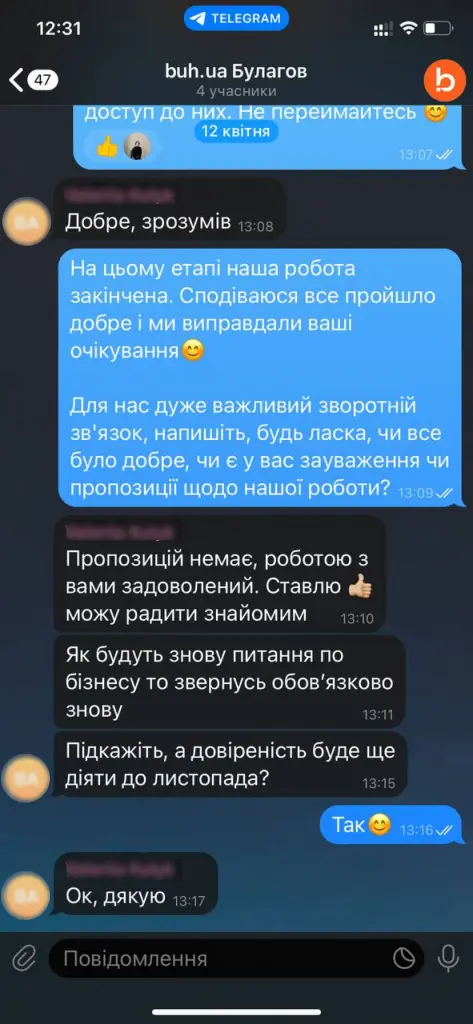
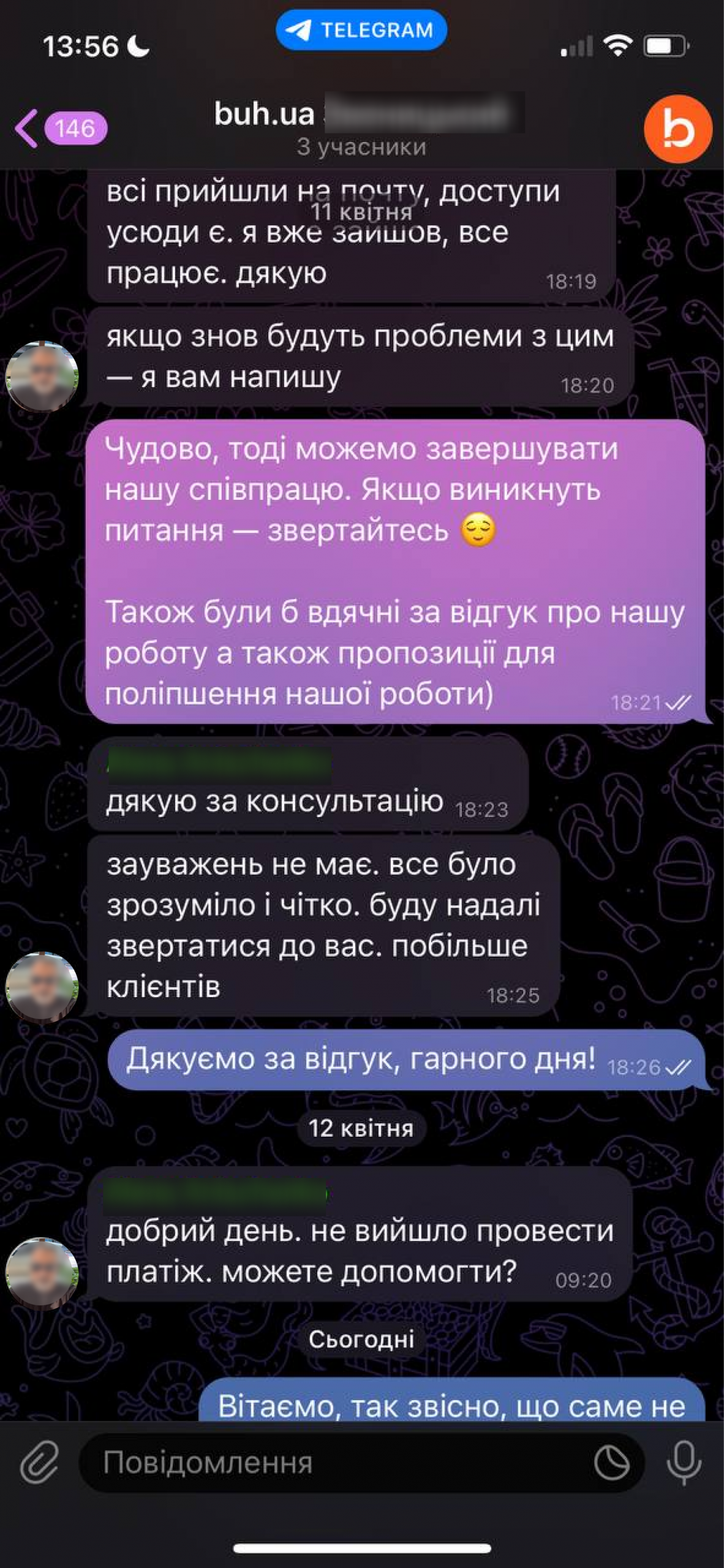
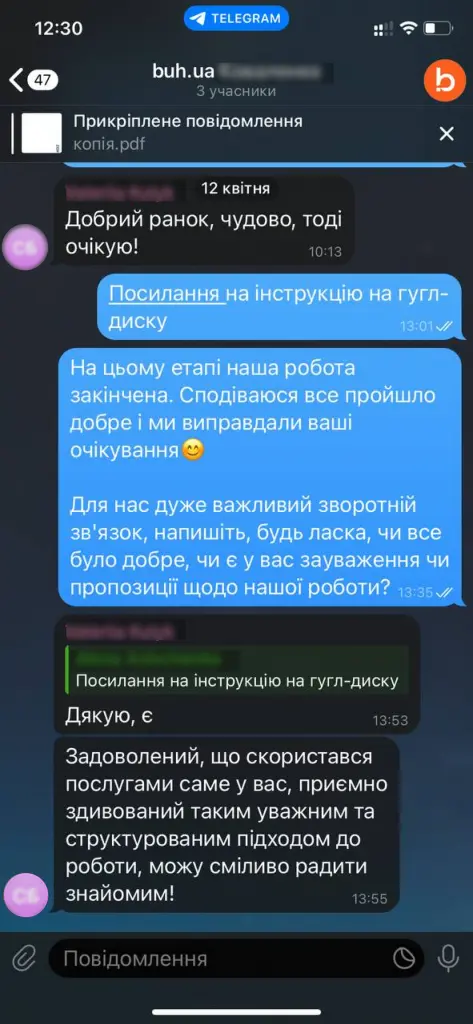
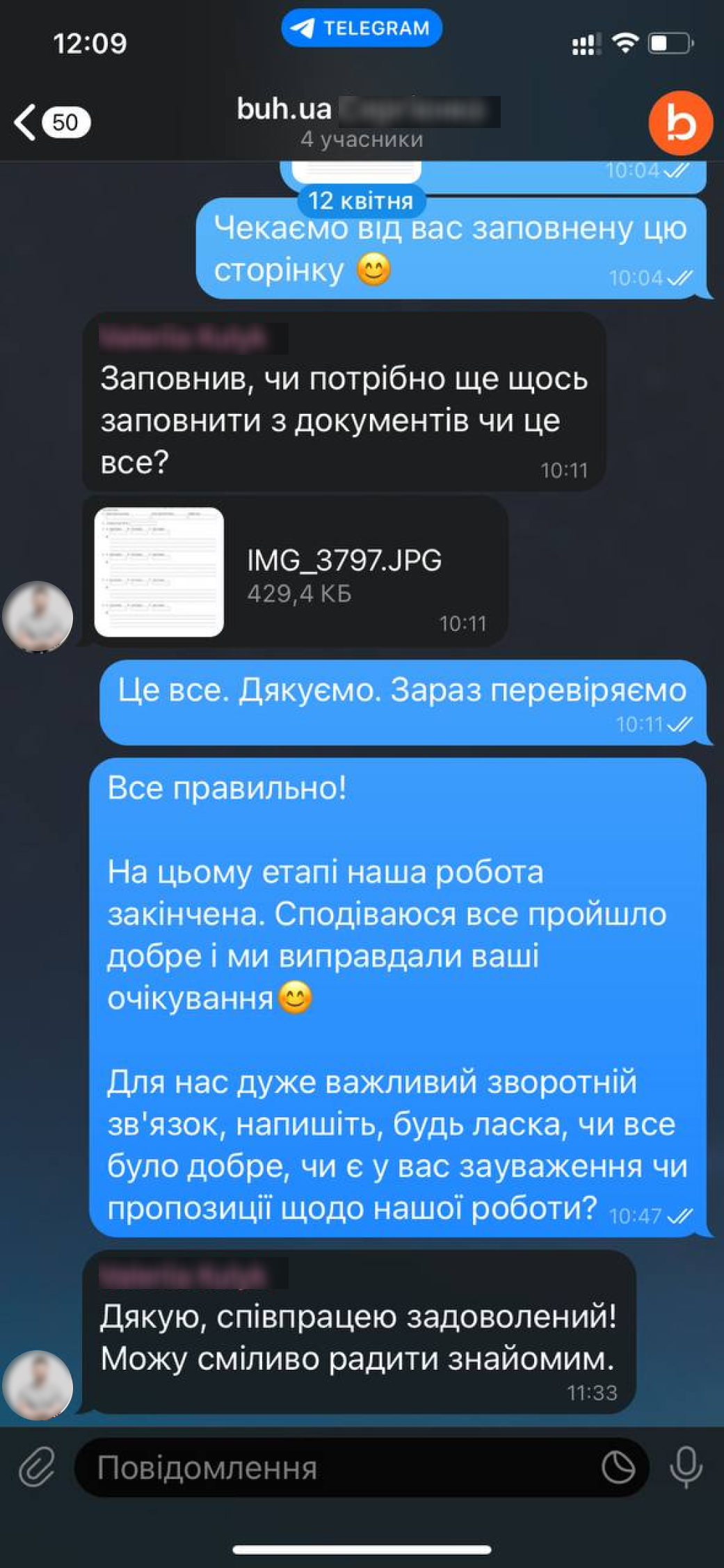


Questions and answers about accounting services for cafes and restaurants
Do cafes need separate accounting services if the business already has a cash register and POS system?
Yes, accounting services for cafes are needed even when sales already go through a cash register or POS system. Recording sales alone does not mean that refunds, acquiring, inventory balances, product write-offs and tax reporting are handled correctly. Accounting is what connects cash, inventory and documents into one system.
How do accounting services for restaurants differ from standard accounting?
Accounting services for restaurants cover not only standard income and expenses, but also dish costing, ingredient write-offs, inventory checks, delivery accounting, tips and different staff engagement formats. Without this, it is difficult to see the real cost and profitability in the restaurant business.
What does restaurant accounting in Ukraine include in practice?
In practice, restaurant accounting in Ukraine usually includes cash, bank, primary documents, inventory accounting, recipe cards, product write-offs, staff payroll, taxes, acquiring and reporting. If the business operates with delivery or takeaway, these channels should also be accounted for separately.
Why should RRO/PRRO accounting for cafes and restaurants be kept separately from other operations?
RRO/PRRO accounting for cafes and restaurants is needed to ensure that revenue, Z-reports, refunds, cashless payments and bank receipts match each other. Without this, gaps appear between actual sales, cash records and tax data.
How should VAT be handled in a restaurant with dine-in, delivery and takeaway?
VAT in a restaurant should be managed based on the actual sales model, payment methods, refunds and primary documents. If the business has multiple revenue channels, accounting must reflect each transaction correctly to avoid distortions in VAT credit and liabilities.
What does acquiring accounting in a restaurant include?
Acquiring accounting in a restaurant includes tracking card payments, bank commissions, account settlements, refunds and reconciliation with cash operations. This is important because without such control, recorded revenue may differ from actual bank receipts.
Why are recipe cards needed in restaurant accounting?
Recipe cards in restaurant accounting help understand which ingredients make up a dish, what the standard quantities are and how the cost is formed. Without them, it is difficult to control product write-offs, assess margins and identify which menu items are truly profitable.
How does product write-off accounting based on standards work?
Product write-off accounting based on standards allows ingredients to be written off not randomly, but according to approved recipes and actual usage. This approach helps link sales with inventory and reduces errors in cost calculation.
Why should restaurant inventory checks be carried out regularly?
Regular restaurant inventory checks are needed to control balances, miscounts, shortages, spoilage and discrepancies between actual inventory and accounting data. If stocktaking is done formally or rarely, the business loses control over costs and inventory.
How should restaurant delivery accounting be managed when working with aggregators?
Restaurant delivery accounting should separately show delivery revenue, platform commissions, refunds, card payments and receipts from different channels. Without this, delivery gets mixed with overall cash flow and the owner cannot see the real financial result of this channel.
How should tip accounting be organized in a restaurant?
Tip accounting in a restaurant is needed to separate business funds, staff payments and tax implications. This is especially important when tips are received cashlessly or distributed among multiple employees.
What should be considered if the business has waiter salaries, social contributions, personal income tax and different employment formats?
When a business has waiter salaries, social contributions, personal income tax, military levy and part of the staff works as Sole Proprietors or under civil contracts, accounting must be structured very carefully. Otherwise, errors appear in payments, taxes, HR documents and reporting.
What should reporting to the State Tax Service for cafes look like to avoid issues during audits?
Reporting to the State Tax Service for cafes should be based on accurate accounting of cash, bank, inventory, payroll, taxes and primary documents. If reporting lags behind real operations or is based on incomplete data, it creates additional risks for the business.
Does a small coffee shop need a separate accountant?
Yes, even a small coffee shop needs an accountant if it has daily revenue, acquiring, to go sales, write-offs of milk, syrups, desserts and related goods. In small formats, mistakes also accumulate quickly, they are just less noticeable at the beginning.
Why is it important to separately control alcohol accounting in a food service business?
Alcohol accounting in a food service business requires special attention due to product movement, balances, write-offs, stocktaking and its impact on overall cost and revenue. If alcohol is recorded together with other goods without separate control, the risk of inventory and reporting errors increases.
Get a reliable accounting setup for your cafe or restaurant without errors
Leave a request to organize cash, inventory, costing, staff and taxes into one clear system.