

How a Sole Proprietor Can Reduce Tax Audit Risk in 2026: 5 Practical Tips


The tax authority has scheduled more than 4,500 audits in 2026. Every fifth one concerns sole proprietors. And these are only scheduled audits - not including unscheduled ones, which may be initiated after a complaint from a client or even from employees. But here is an interesting fact: most audits can be avoided if you know exactly what attracts the attention of the State Tax Service.
In 2026, the State Tax Service assesses sole proprietors using a risk-based system. The main audit triggers are tax debt, discrepancies between RRO data and the tax return, as well as complaints from employees or clients.
Here are five practical ways to work for years without an audit, even if it already seems that you are on the tax authorities' radar.
Method 1: Monitor tax debt and do not file returns late
It may seem minor, but this is the first trigger for the automated algorithms of the State Tax Service. Many people think they can lose the simplified tax system over any small debt, but the law is clear:
single tax registration is canceled if your total tax debt exceeds 3,060 hryvnias on the first day of each month for two consecutive quarters.
Moreover, such debt often appears not because an entrepreneur deliberately fails to pay, but simply because of inattention: they used the wrong payment details, which often happens when account details change, forgot about penalties, or did not notice that a payment was “stuck” in the bank.
How can you protect yourself?
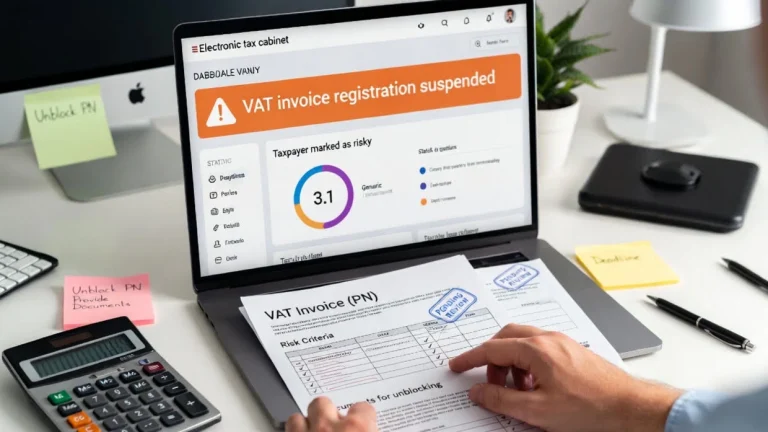
Once a quarter, log in to the taxpayer electronic cabinet on the tax authority’s website and check your financial status. It shows whether any debt has appeared, what amounts have been assessed, and when the payment deadline comes. Pay attention to notifications about obligations - they may contain notices that have not yet reached you by mail.
But debt is not the only issue. A late tax return is also flagged by the system as a risk. The penalty for late filing is 340 hryvnias, which seems like a small thing. But a late tax return often becomes grounds for an audit, especially if the tax authority already suspects something and is looking for an official reason to come to you.
Set a reminder on your phone two days before the reporting deadline, check your electronic cabinet every month, and do not rely on luck with postal notices.
Not sure whether you have any tax debt or reporting errors?
The accountants at buh.ua will check your electronic cabinet, tax return filing deadlines, and assessed amounts - so that a minor mistake does not become a reason for an audit.
Method 2: Reconcile the income in your tax return with actual account receipts
One of the most common reasons for a request from the tax authority is a discrepancy between declared and actual income. You file a tax return showing income of 100,000 hryvnias for the quarter, while the tax authority sees that 200,000 was credited to your account. Requests start immediately.
How does the tax authority see this?
Check at the end of the quarter: how much actually came into the account, how much should be reported in the tax return, and whether there are major discrepancies. If there are discrepancies - have explanations ready: was it payment under a service contract without a fiscal receipt? Cash settlements? Return of an advance payment? A letter from the client about recalculation? All of this must be documented, not based on assumptions.
The tax authority sees more than it may seem. It is better to simulate a request yourself and prepare a response than to wait until one is sent to you.
Method 3: Do not open the cash register unnecessarily - even if there is never anything in the register
Few people know about this nuance, even experienced entrepreneurs. If you have an RRO or PRRO and open the cash register every day, but there are no clients - the cash register sends Z-reports with zero figures to the tax authority every day.
One or two such reports per month is normal. But if this happens systematically, the tax authority starts asking questions: why does this person open the cash register every day if there is not a single receipt? Are they accepting cash outside the register?
Do not open the cash register in advance. The first client arrives - you open the register. The working day ends - you close it. Reports with zero figures will be minimal, and the tax authority will not ask unnecessary questions.
Method 4: Keep clients satisfied - issue receipts and accept cards
Another non-obvious source of audits is client complaints. A client wanted to pay by card, but you had no terminal. They wanted a receipt, but you did not issue one. The person is annoyed, goes to the tax authority’s Telegram bot, and files a complaint.
One complaint is not critical. But if a dozen people complain about you, that is already a signal for the State Tax Service. And even without an audit plan, the tax authority may request explanations or organize an unscheduled audit.
Having a terminal is already standard in 2026. Issuing a receipt is the law. The fine for failing to issue a fiscal receipt may amount to 100% of the sale value for the first violation and 150% for subsequent ones. That is expensive. Losing a client because of a terminal or receipt is cheaper than facing an audit.
Method 5: Hire employees officially - this is your protection
Quite often, complaints are filed by your own employees.
Typical scenario:
a woman was receiving 30,000 hryvnias in cash “under the table,” while officially, according to the documents, she was paid the minimum wage of 8,647 hryvnias. Then she goes on maternity leave, expects maternity benefits, and finds out that they are calculated not based on her real salary, but on the 8,647 recorded in the documents. An attempt to reach an agreement with the employer does not work, so the woman goes to the tax authority.
The result: she receives the correct maternity benefits, while the entrepreneur receives a fine for undeclared payments, incorrectly paid taxes, and Unified Social Contribution. Plus a fine for late payment of Unified Social Contribution with penalties.
Or a simpler case: a conflict with an employee, dismissal, or accusations of incorrect wage payment. Even one complaint can attract the attention of the tax authority and create unnecessary problems for the business.
Official employment is not only your obligation, it is your protection. If everything is documented, the salary matches the work performed, taxes are paid, and Unified Social Contribution is transferred, the employee has no reason to complain. And even if they do complain - you have all the evidence that you did everything correctly.
FAQ: the most common questions about tax audits of sole proprietors
Can the tax authority audit a sole proprietor without notice?
Yes, in some cases the tax authority may audit a sole proprietor without prior notice. For example, actual audits related to RRO, cash settlements, or employee registration may be carried out without advance notification. For a scheduled documentary audit, the State Tax Service must notify the sole proprietor in writing no later than 10 calendar days before it begins, by sending a copy of the order and an official notice to the Electronic Cabinet or by mail.
How can you find out whether a sole proprietor has been included in the audit plan?
You can check whether a sole proprietor is included in the audit plan on the website of the State Tax Service. The tax authority publishes an annual schedule of documentary audits, where you can search for yourself by full name, taxpayer registration number, or other details. If a sole proprietor is in the plan, it is better to prepare the documents in advance.
Which sole proprietors are most often audited?
The tax authority most often pays attention to sole proprietors with tax debts, reporting errors, large or unusual turnover, issues with RRO, complaints from clients or employees, as well as signs of hidden employment or business splitting.
Can the tax authority audit a sole proprietor because of a client complaint?
Yes, it can. A buyer’s complaint through official channels to the State Tax Service about failure to issue a receipt or refusal to accept payment by terminal is an official ground for conducting an unscheduled actual audit.
Can the tax authority audit a sole proprietor because of employees?
Yes, this is one of the biggest risks. If the State Tax Service receives a complaint from a current or former employee about wages being paid “under the table” or unofficial employment, they have the right to come with an actual audit without prior notice.
What documents should a sole proprietor prepare for a tax audit?
A sole proprietor should prepare tax returns, receipts for tax payments, documents related to RRO/PRRO, contracts, completion certificates, invoices, bank statements, employee HR documents, and other primary documents confirming the reality of business activity and the accuracy of accounting records.
What should a sole proprietor do after receiving a tax audit notice?
If a sole proprietor receives a notice about an audit, they should first check the grounds, date, type of audit, and documents from the State Tax Service. Then they should collect reporting documents, primary documents, payment records, RRO data, and, if necessary, contact an accountant or lawyer to prepare their position before the audit begins.
Conclusion
To avoid audits for years, you do not need to invent complicated schemes. It is enough to work transparently: monitor debts and reporting deadlines, reconcile your tax return with actual receipts, avoid unnecessary risks with RRO/PRRO, issue receipts, accept card payments, and officially register employees.
If you feel that something in your business may attract the attention of the State Tax Service, it is better to fix it now - before a letter, request, or audit arrives.
Want to reduce the risk of a tax audit?
The buh.ua team will check your debts, reporting, RRO, employees, and documents, and show what should be fixed before the tax authority sees it.